
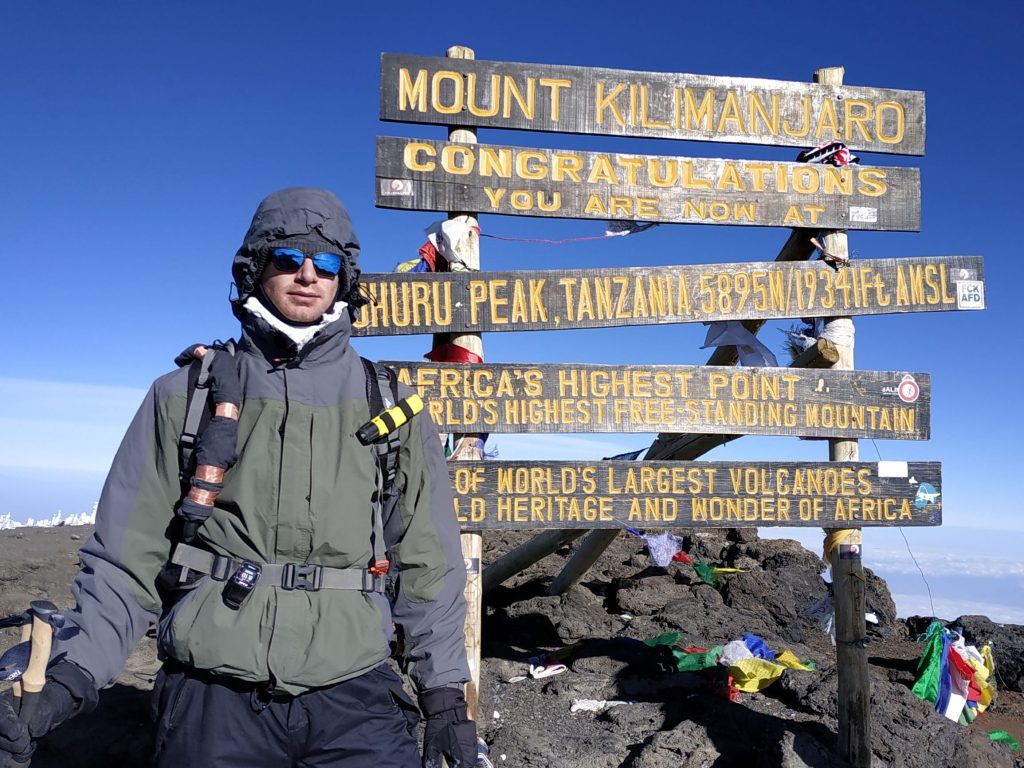
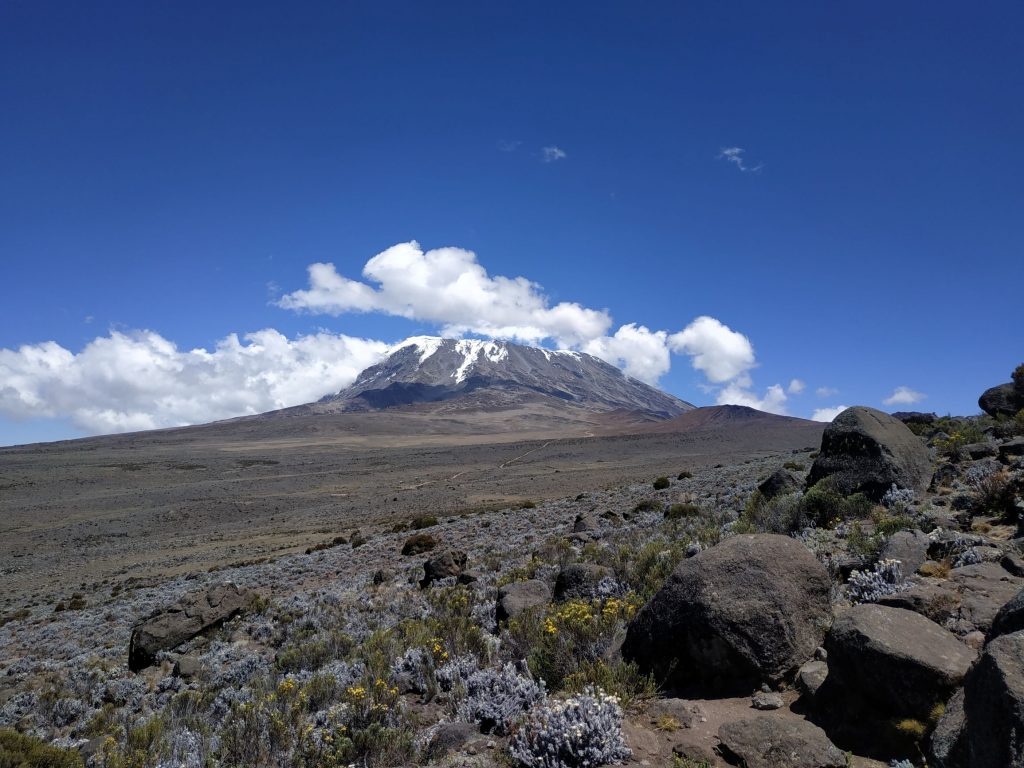
A group of ten people assembled to start an unforgettable adventure. Here are the pictures and personal notes I took throughout the seven day climb. For those who are not familiar with Mount Kilimanjaro, it’s a dormant volcano in Tanzania and the highest mountain in Africa and the highest single free-standing mountain in the world: 5895 meters above sea level and about 4900 meters above its plateau base. The end of this article will feature a packing list, with suggested items for a smooth an enjoyable adventure.
Tembea pole
Walk slowly said by Frank a Guide working at Ascend Tanzania
Travel and Arrival
The journey began in Germany from where we flew to Istanbul. After a short stay in Istanbul we went on to Kilimanjaro Airport. During the stopover in Istanbul I had access to the impressive Turkish Airlines Lounge at Atatürk Airport in Istanbul, which was a feast for the eyes and it’s food offerings a delight for the palate.
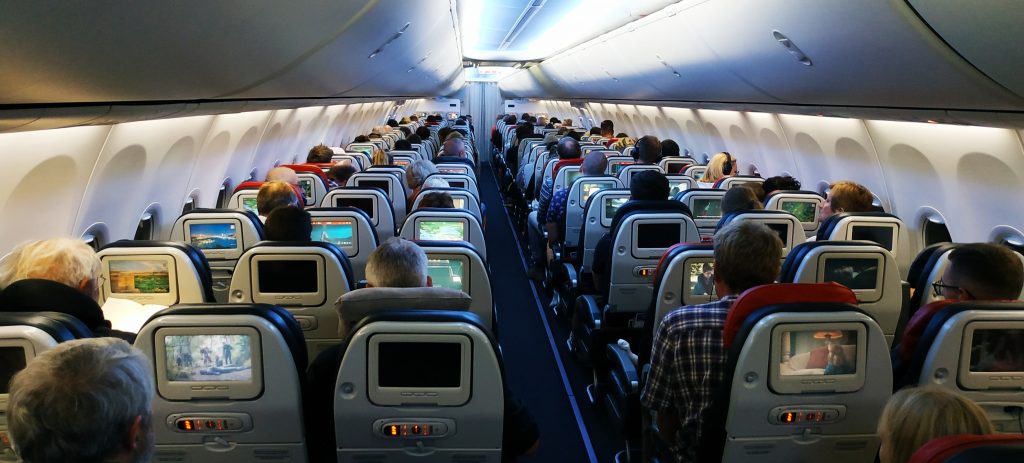
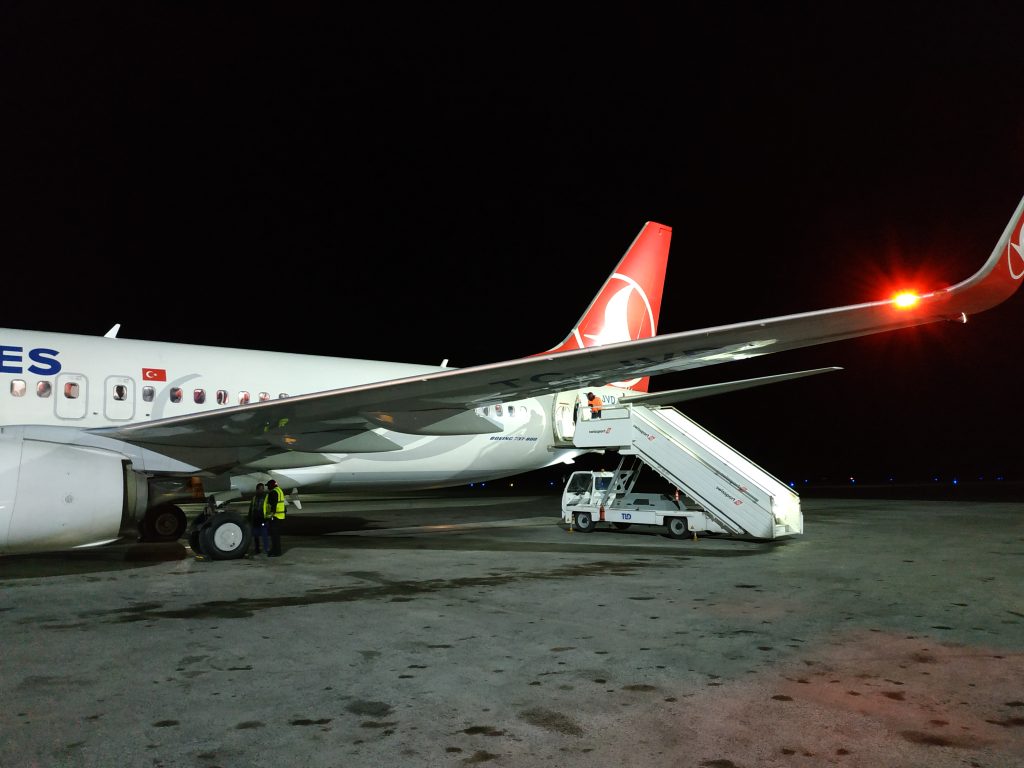
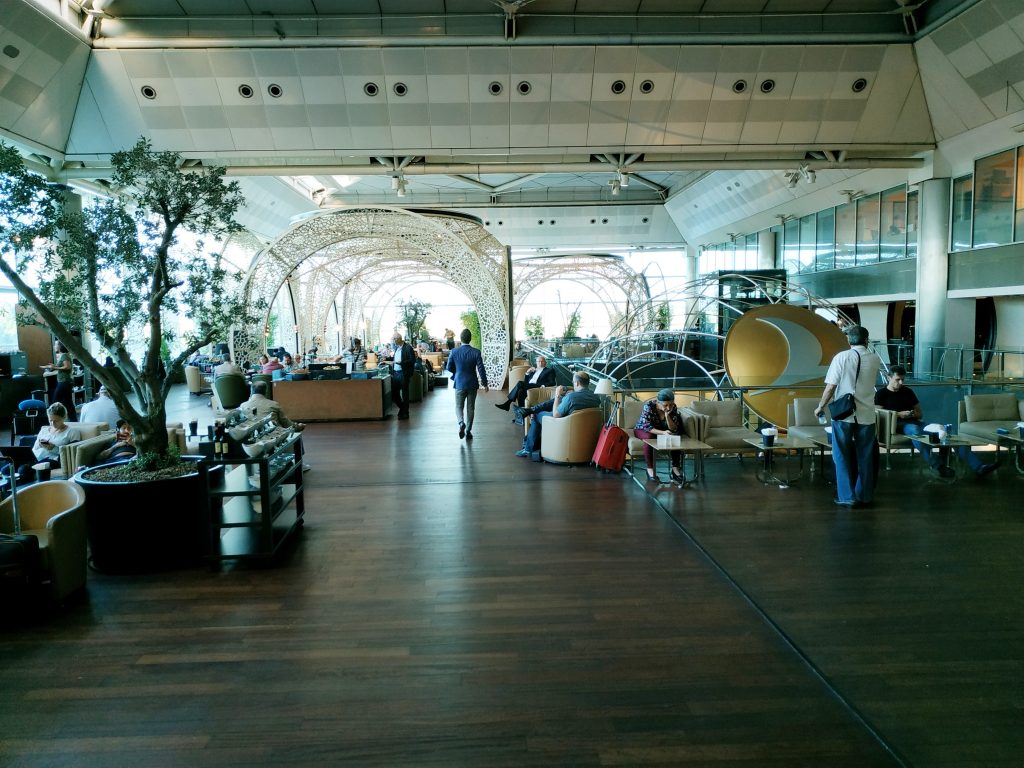
After an half an hour transport from Kilimanjaro International Airport to Moshi we arrived at our habitation for the first night named Mbugani Hotel. The city is the capital of the region and is known to be the gateway to Kilimanjaro National Park.
The following is a video impression of the crossing in front of my hotel room where I tried to get some rest after our flight followed by some pictures. Fortunately I had earplugs which I could combine with my noise-cancelling headphones. So keep in mind, one of the important things for a successful ascent is enough sleep.
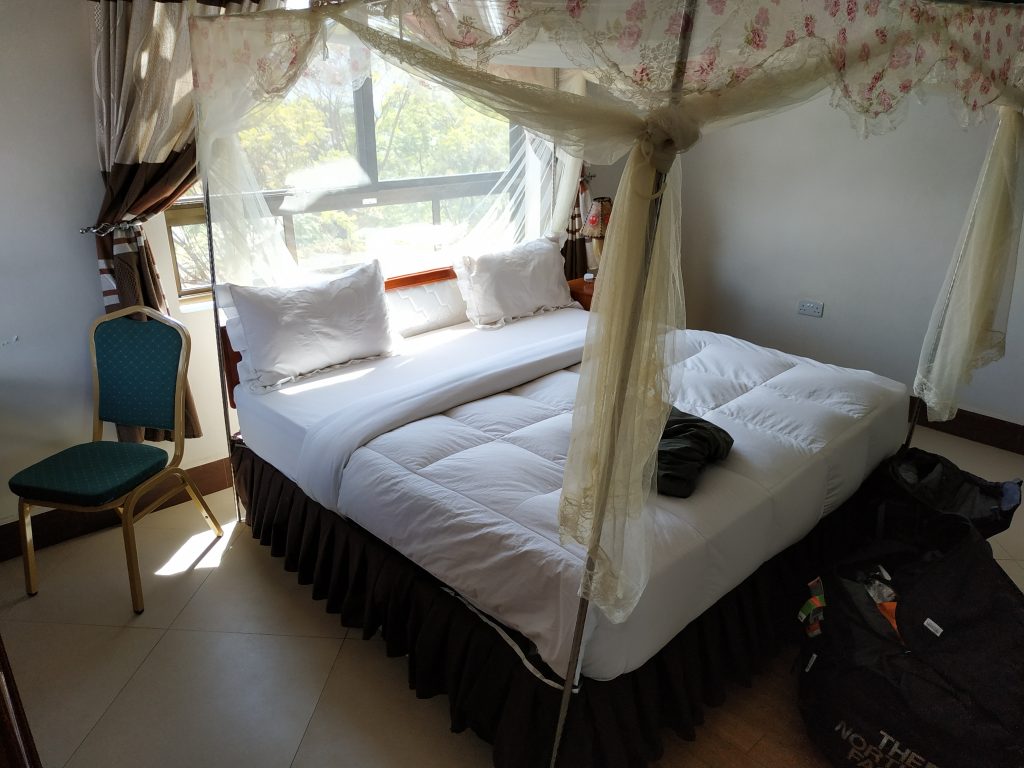
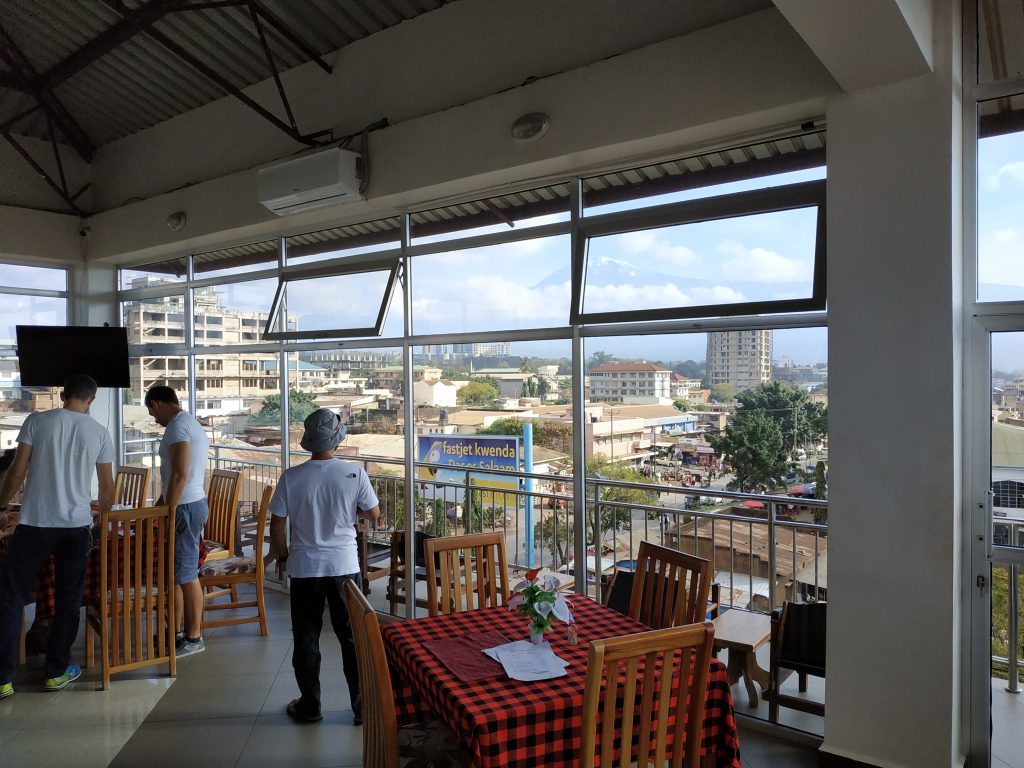
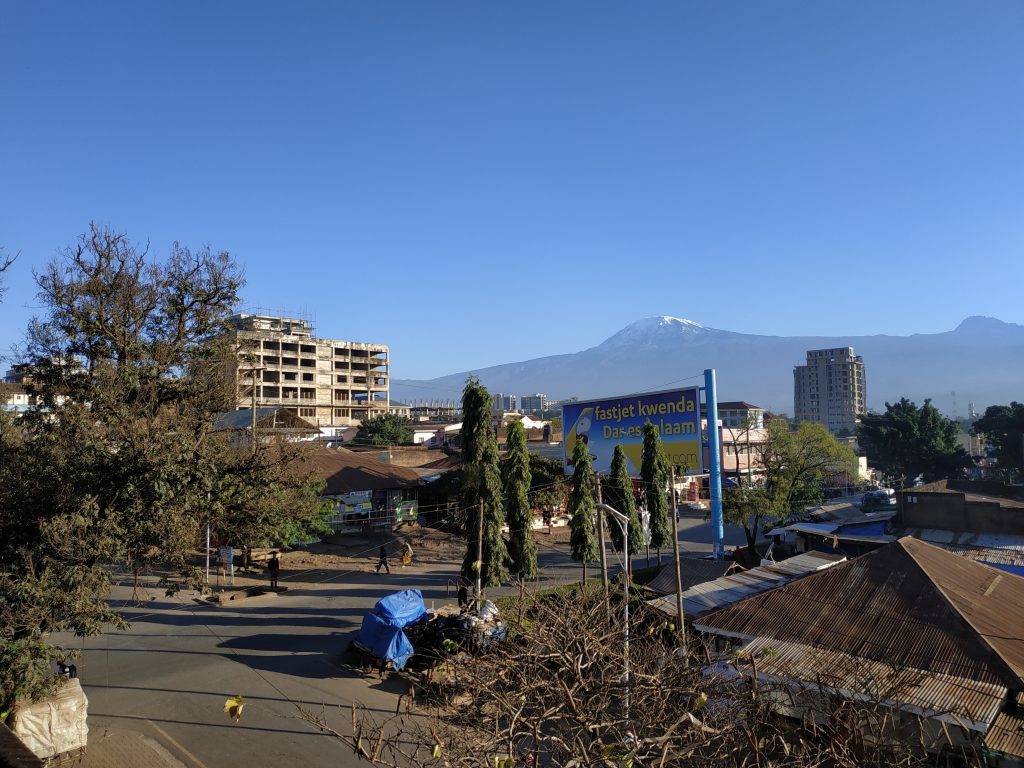
The Hike Begins
After a joint breakfast at the hotel, our group was driven by bus to the foot of mountain. I can’t remember when I got up that day but I remember that I was glad that I had packed and prepared everything the night before. Make sure you separate your belonging into two bags. The fist bag is your day bag, it holds all the necessary things for your hike throughout the day. The second bag hold all the things you need later in the camp or on a different day. You will haven no access to the second bay during your hike since it will be carried by your porter on a different route.
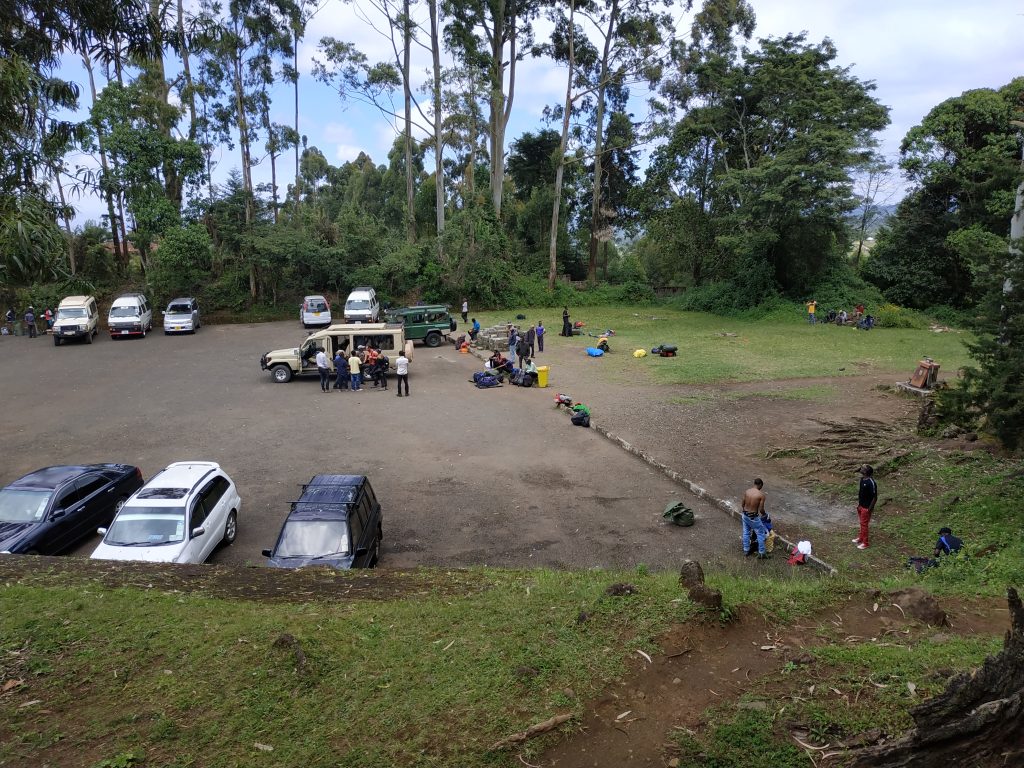
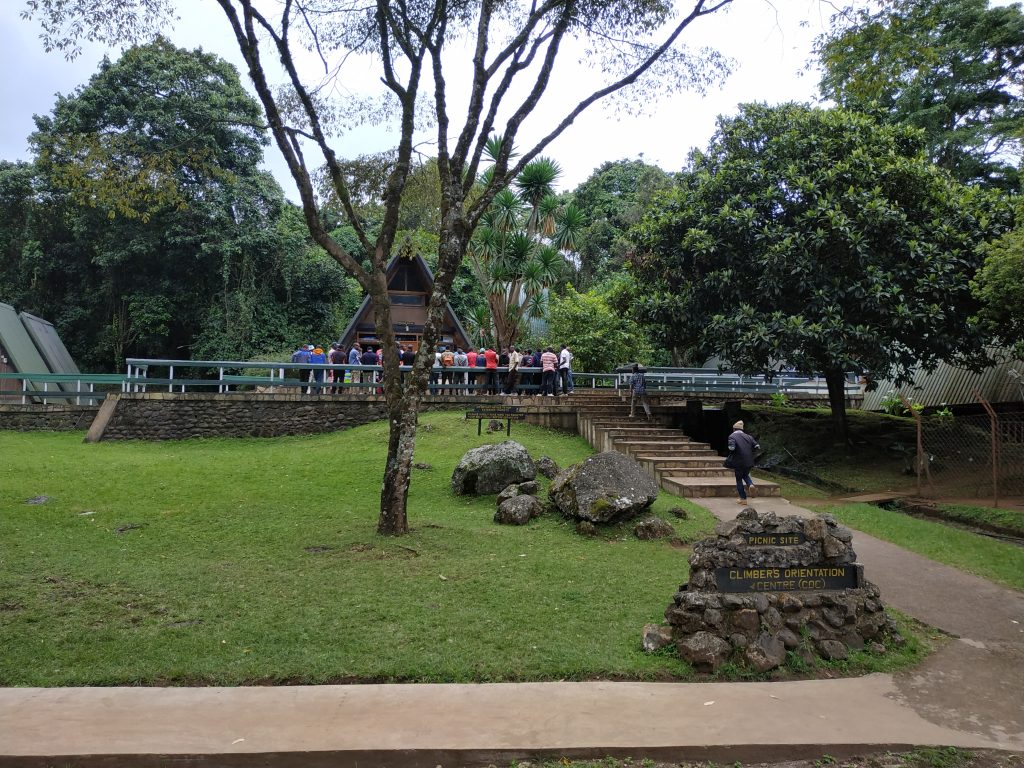
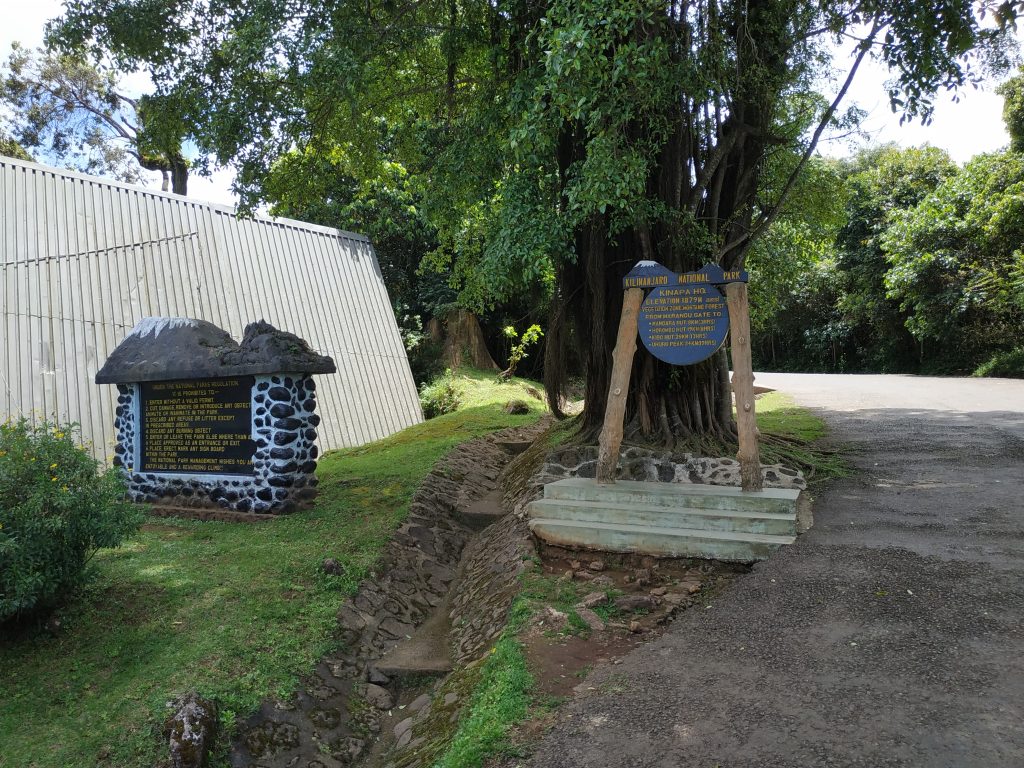
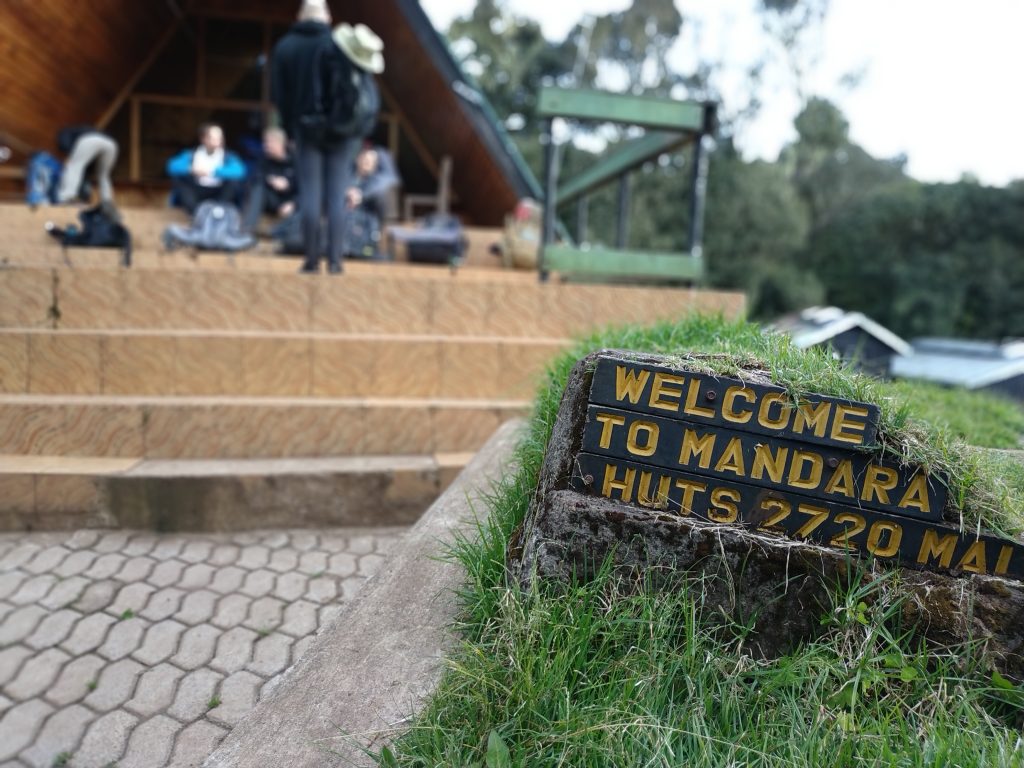
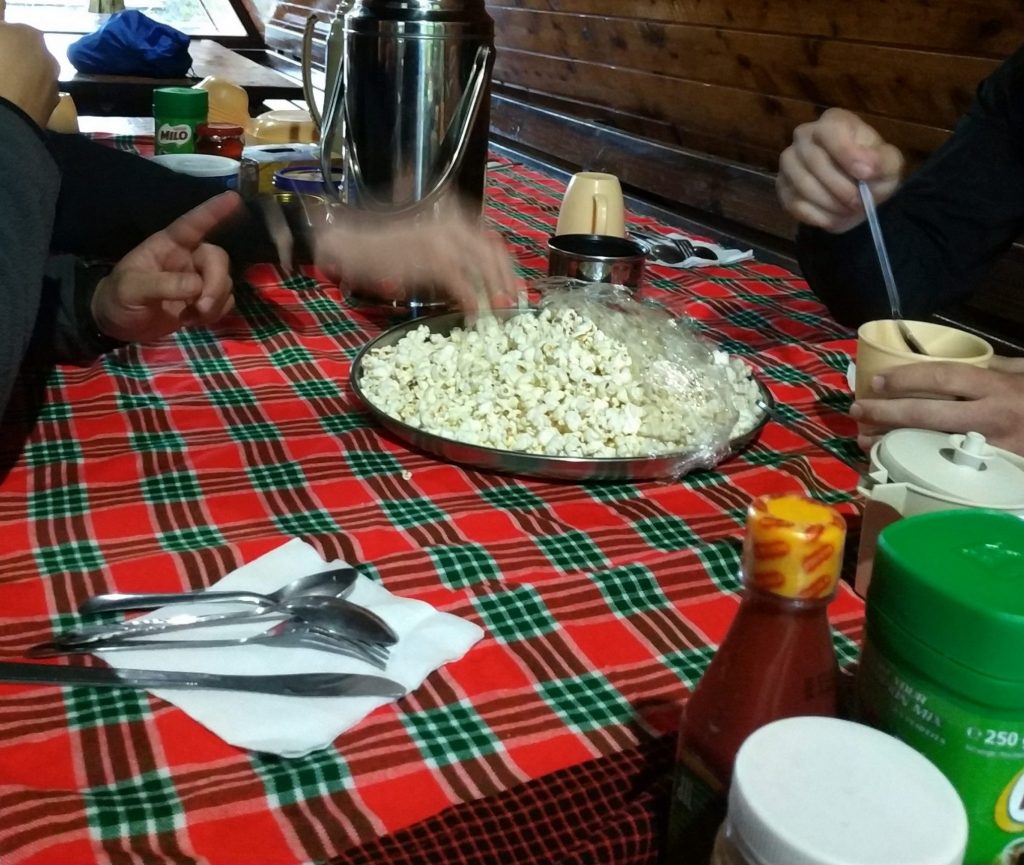
Before we were allowed to enter the national park we had to register at the KINAPA Headquater and pay the entrance fee. From there we started at the Marangu Gate at a altitude of 1879 meters through the jungle to Mandara Hut at 2720 meters. The signs showed a hiking time of 3 hours but we needed a little more than 4 hours. The day ended with an impressive dinner prepared by our two cooks and a nice group chat discussing the first impressions.
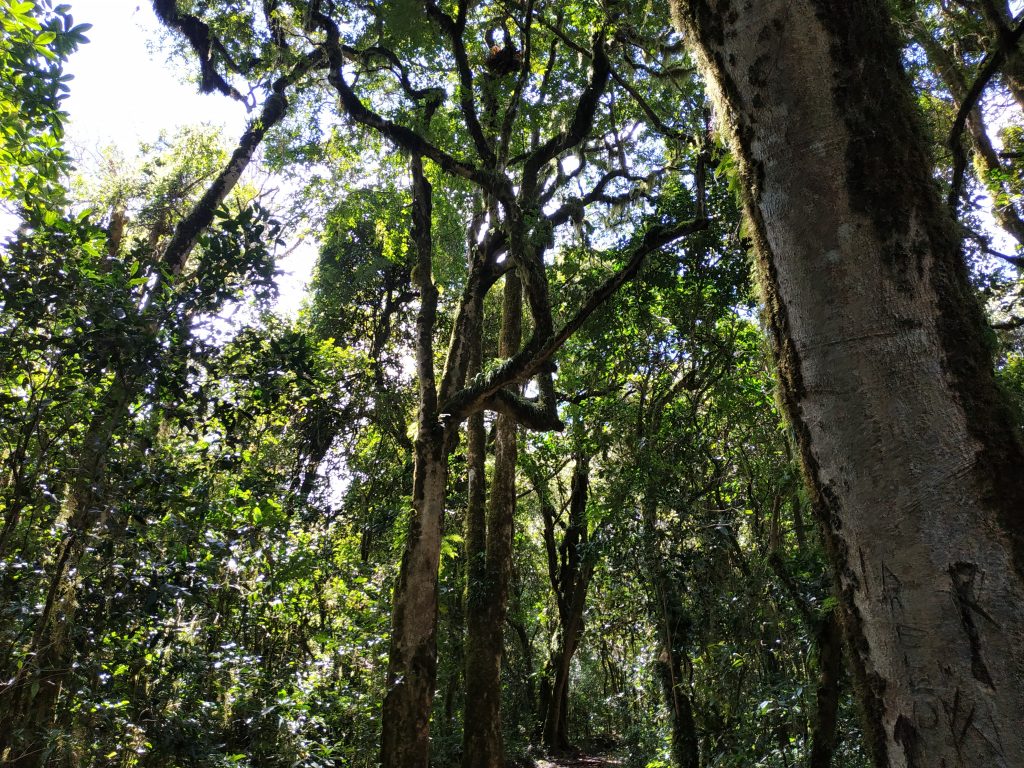
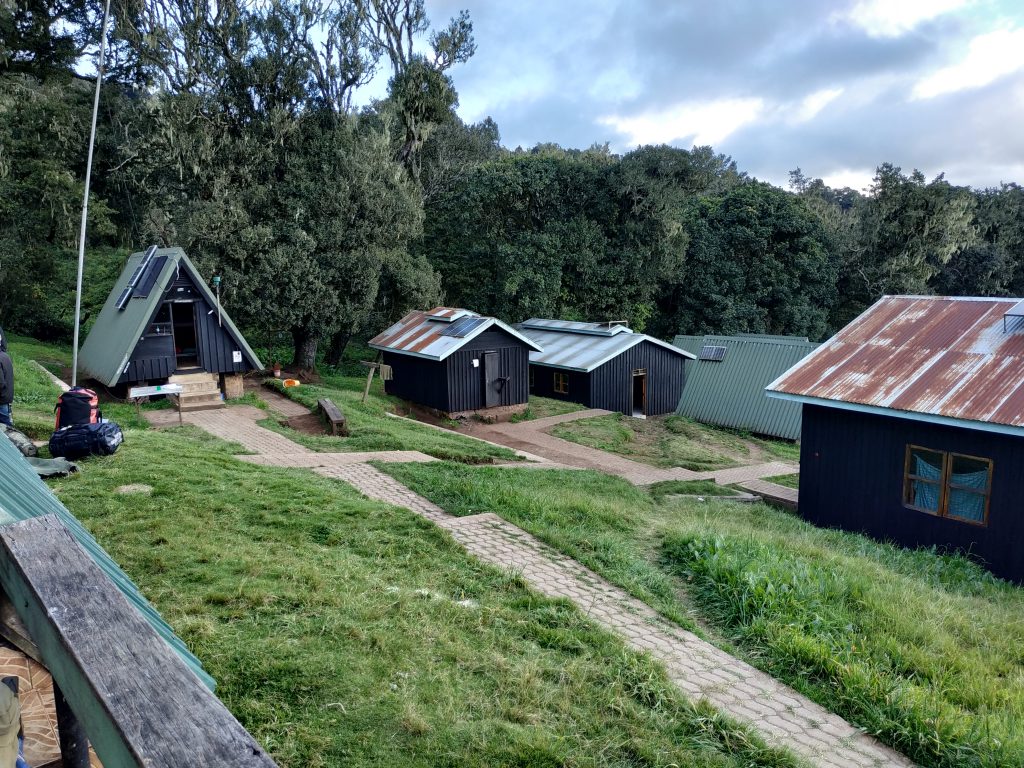
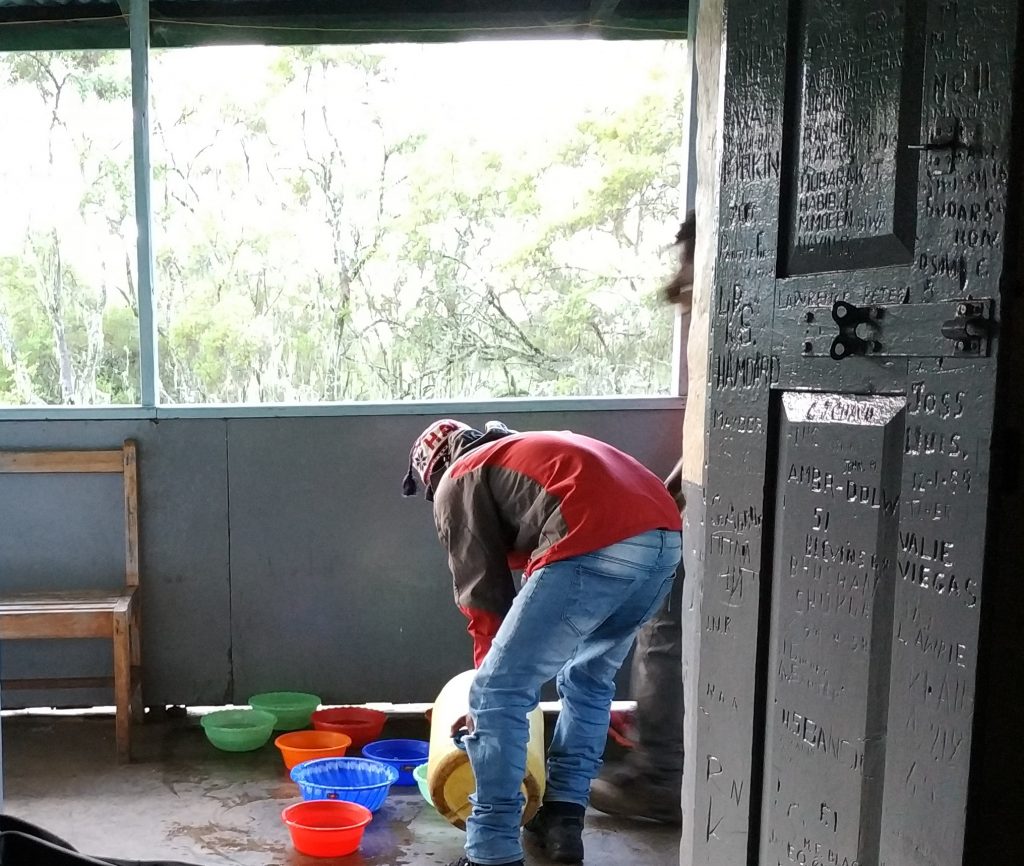
Leaving the Rainforest
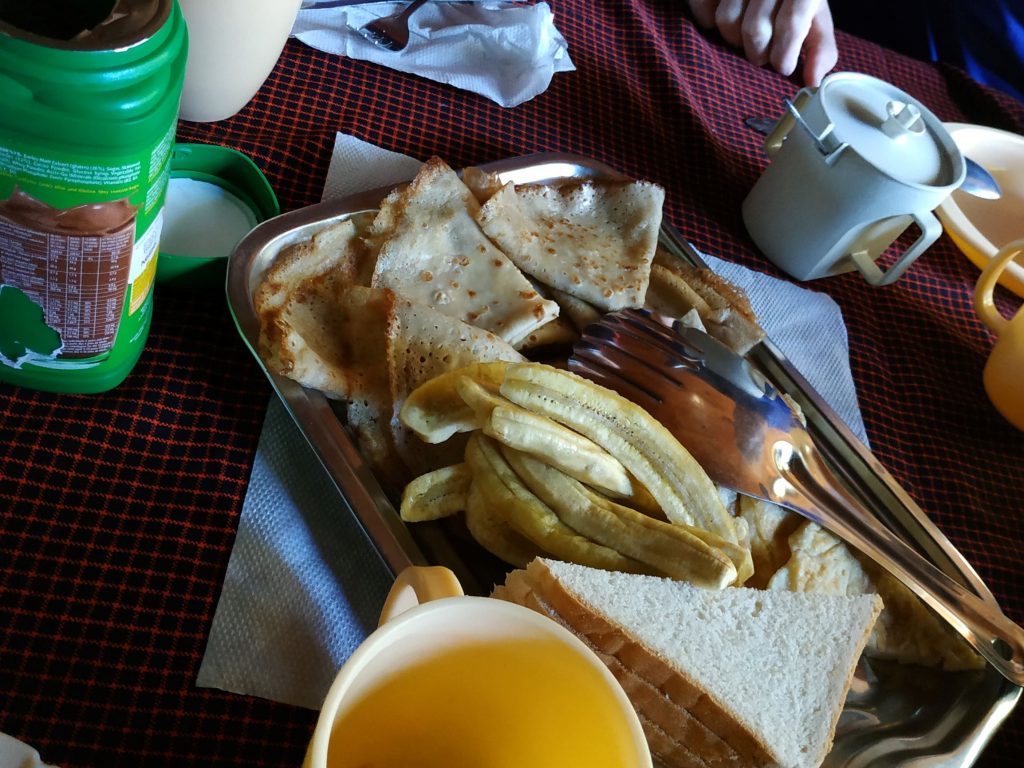
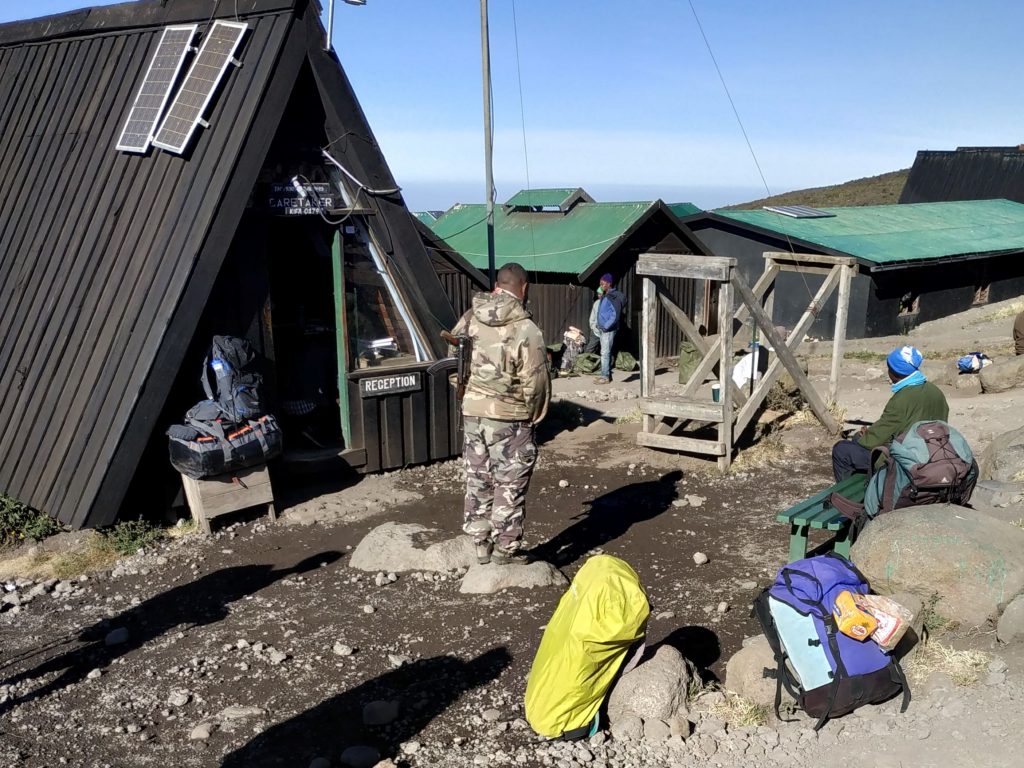
The freshly cooked food is really wonderful and there is nothing to worry about. However, the quantity in relation to the physical work performed is not sufficient for everyone. For this reason it is highly recommended to bring energy bars or something similar from home. Leaving the rainforest makes it necessary to pay special attention to protection from the sun. It took a little bit more than five hours to reach Horombo Hut 3720 meters above sea level. The sign at the entrance of the camp states that we entered the vegetation of moorland.
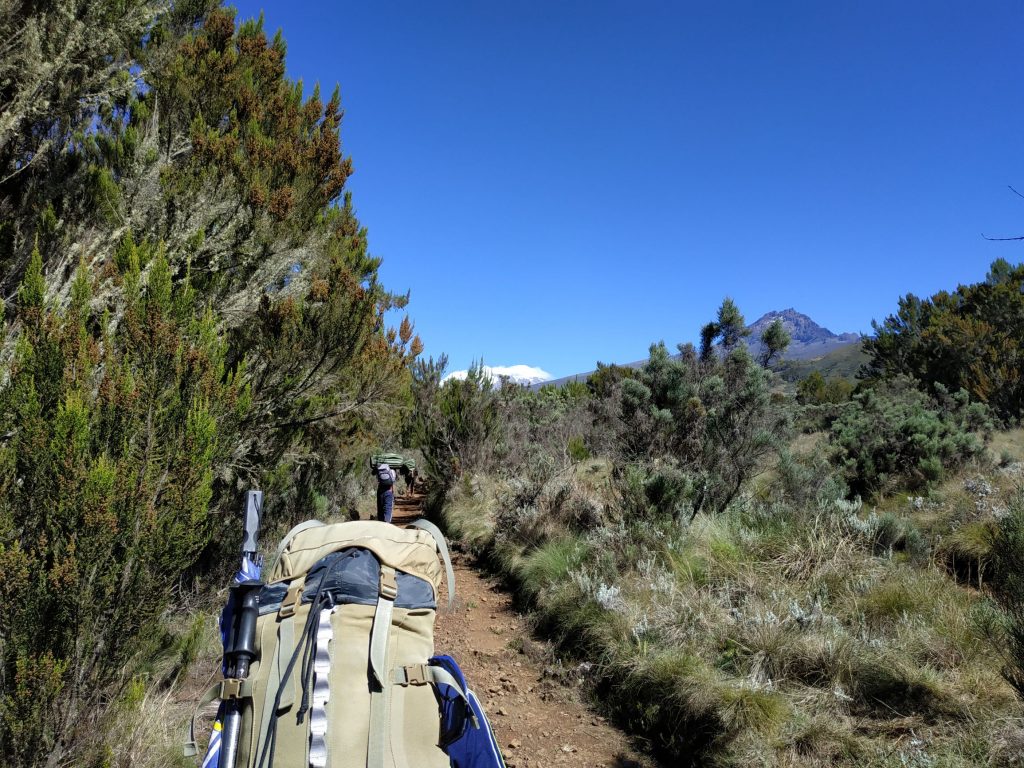
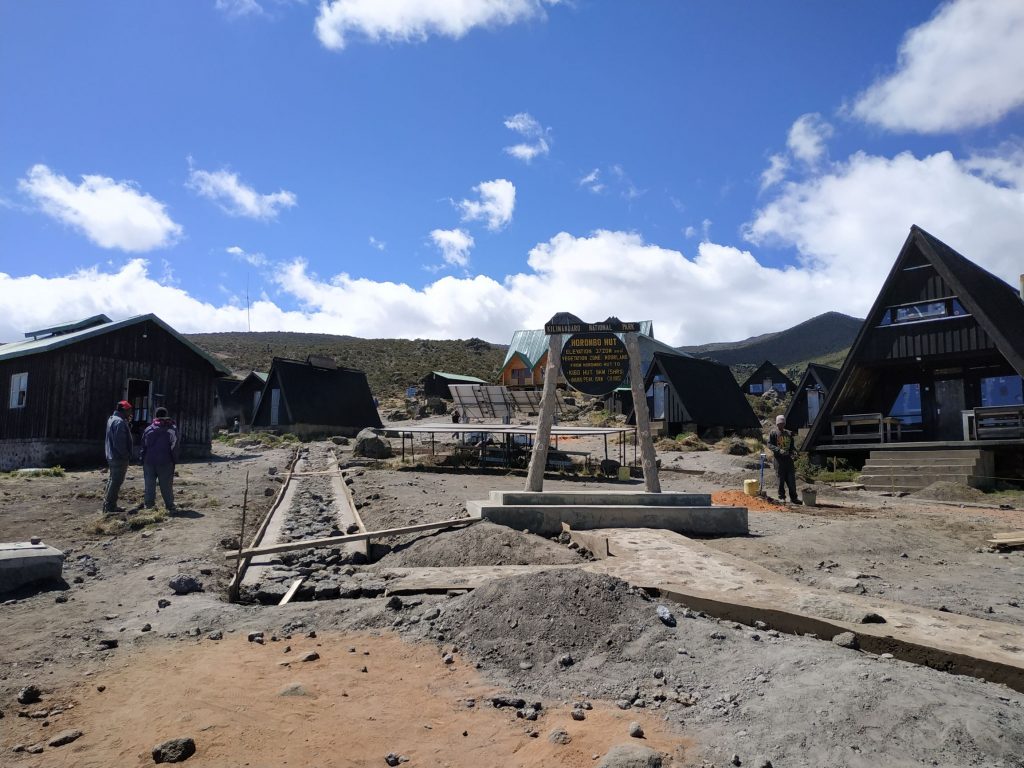
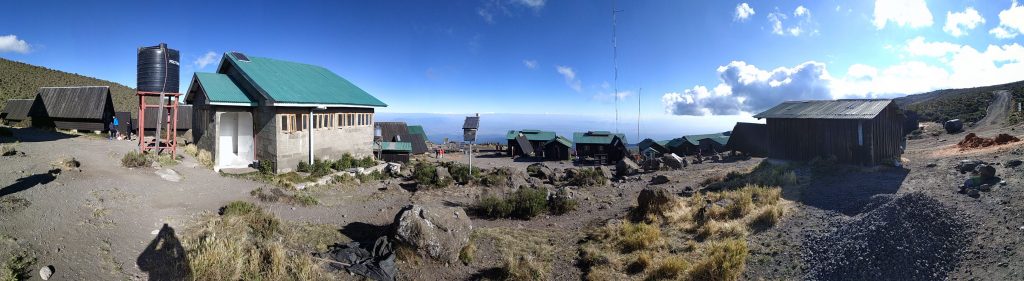
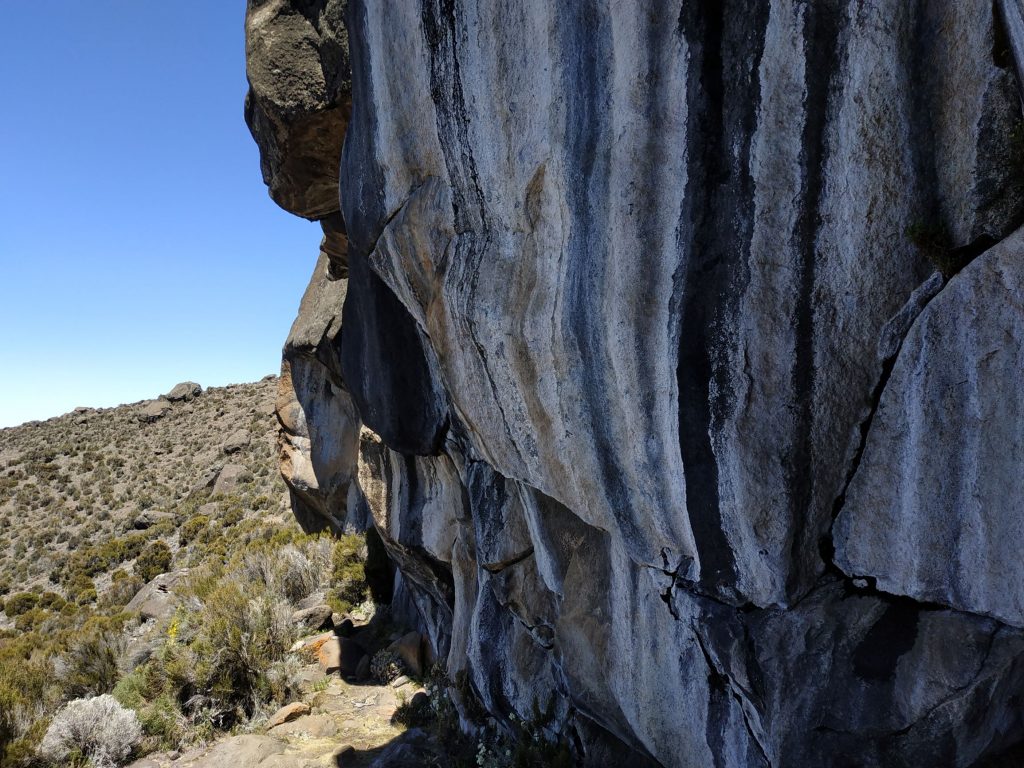
Visiting Zebra Rock
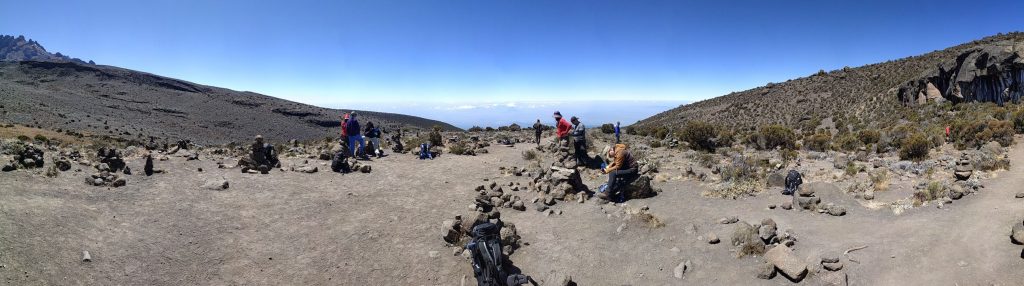
The third day was used to adapt to the air at altitude. We did a little hike to the Zebra Rocks and after a little exploration of them we went back to the Horombu Hut. The remaining day we spent resting and enjoying the view. The Zebra Rocks are at an altitude of 4010 meter.
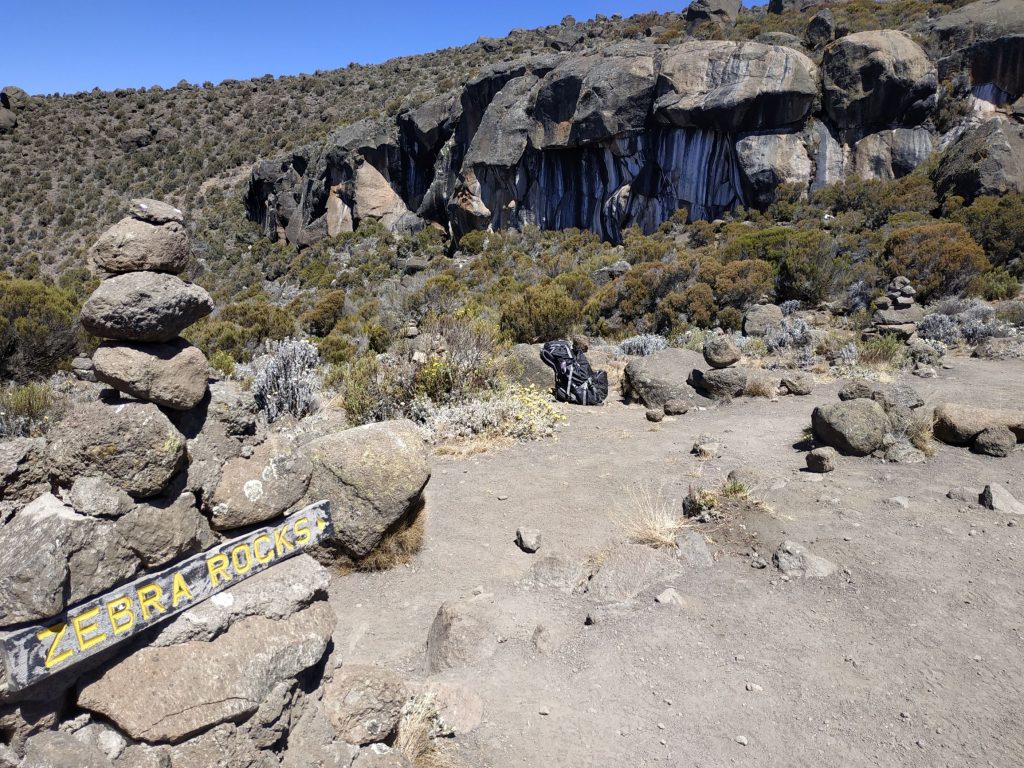
Its getting Tough
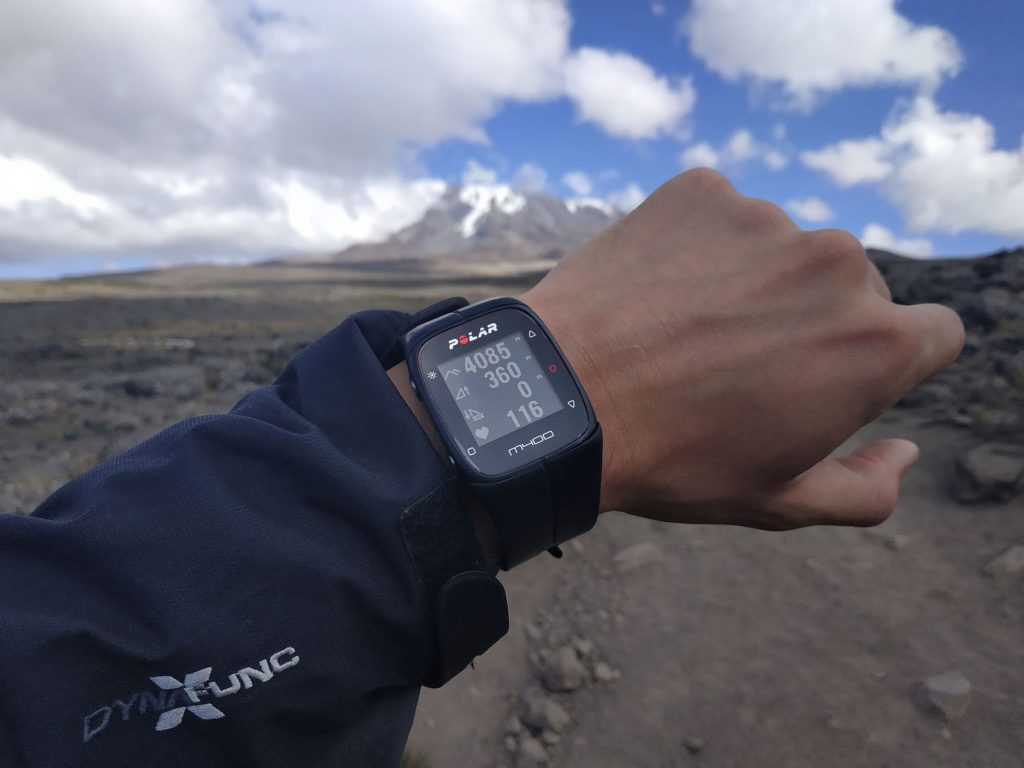
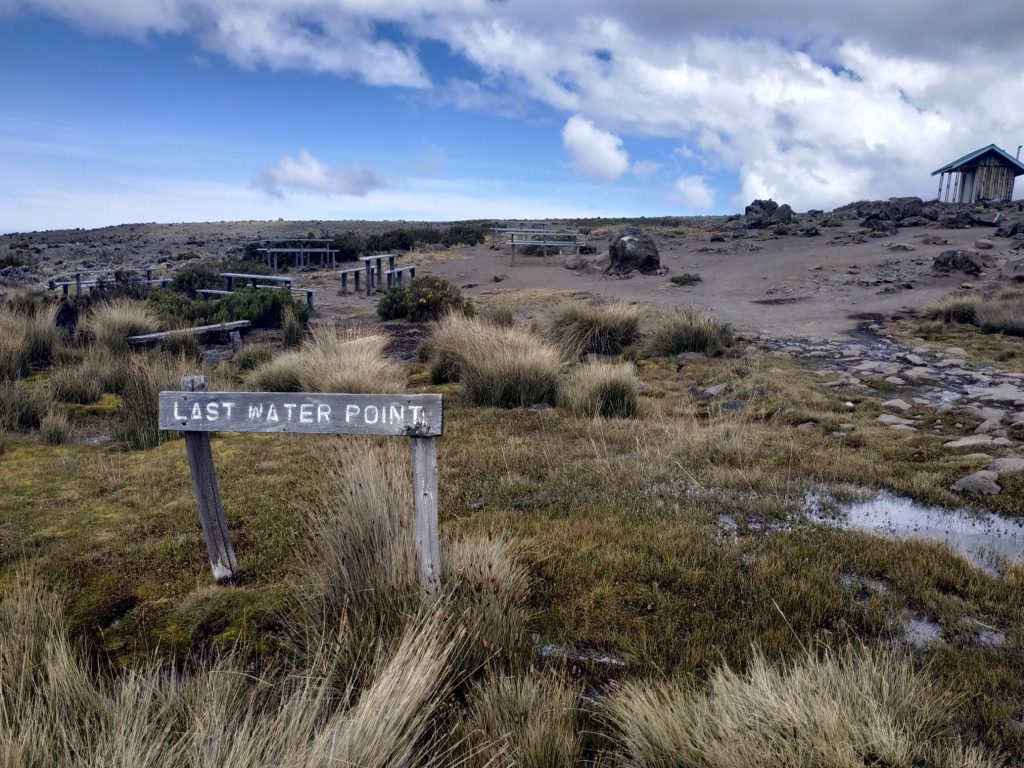
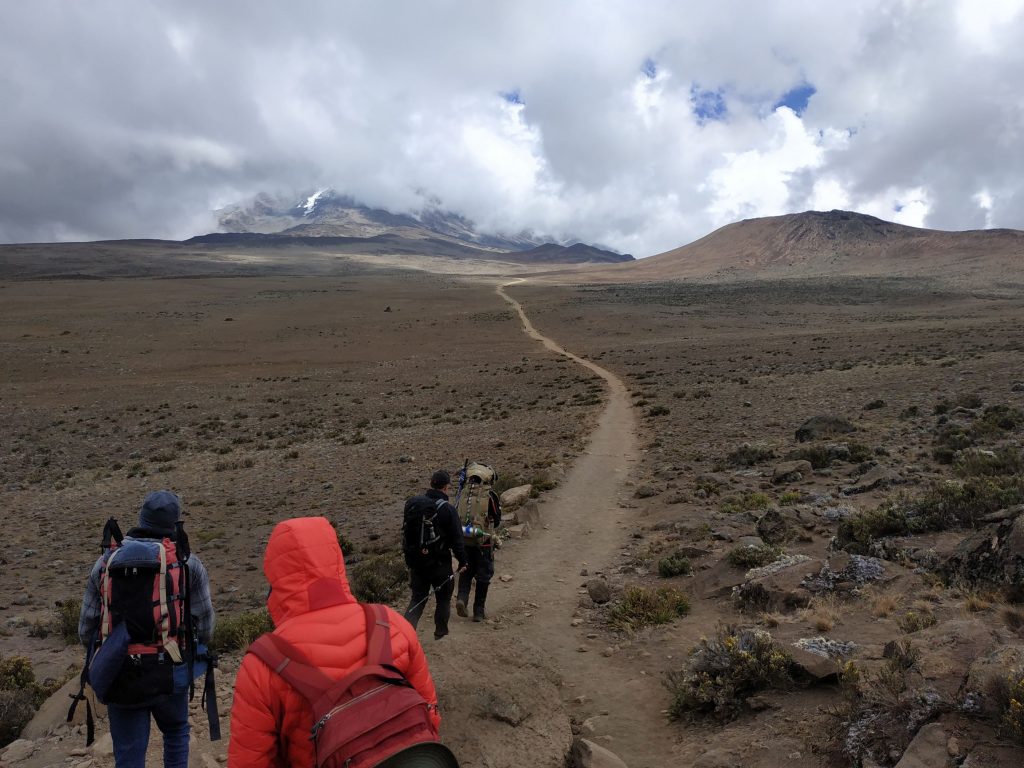
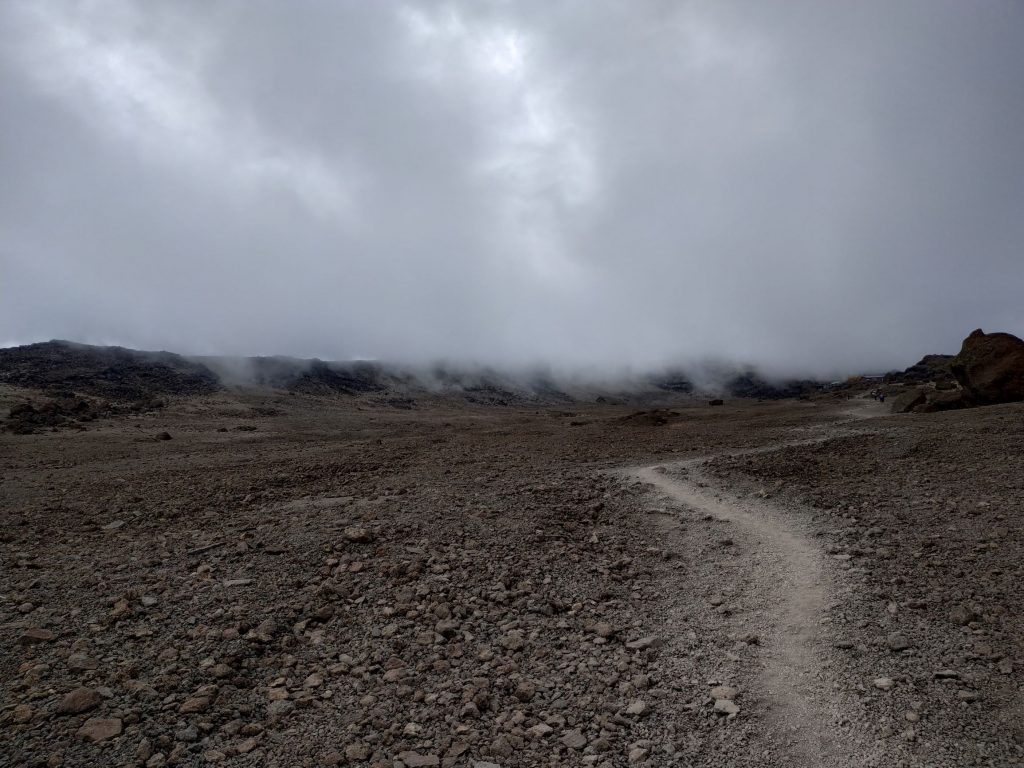
At this point we are higher than ever before and the air becomes thinner. Unfortunately we had to leave one of our friends behind and so we went on with nine of us.
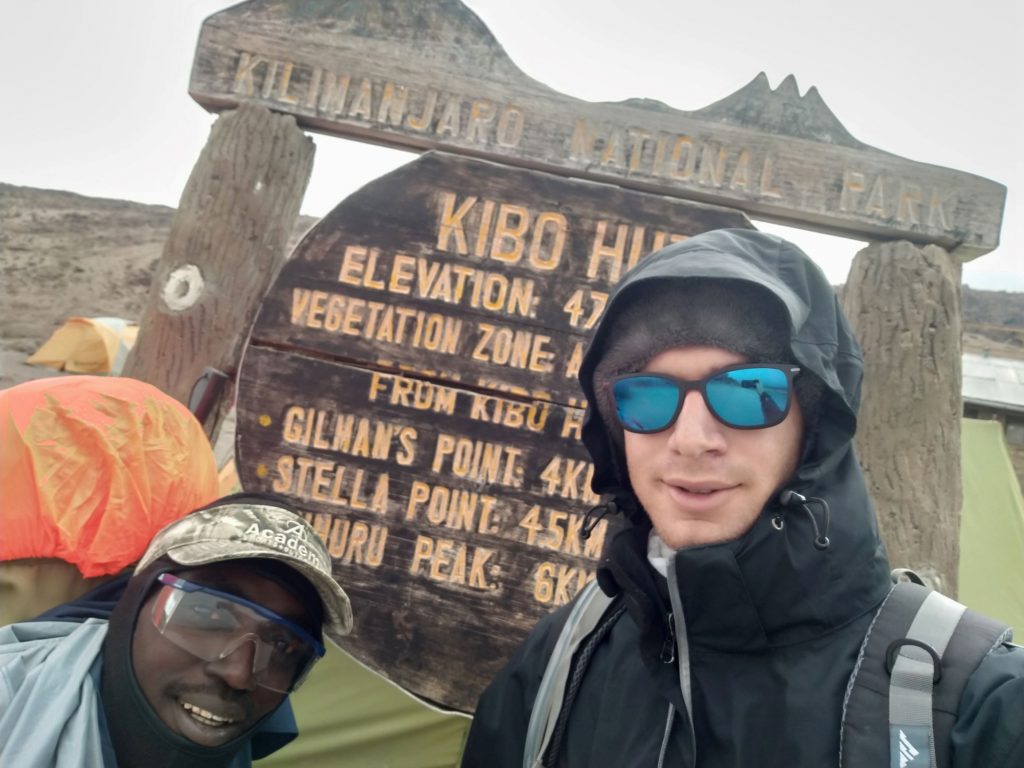
The Final Climb
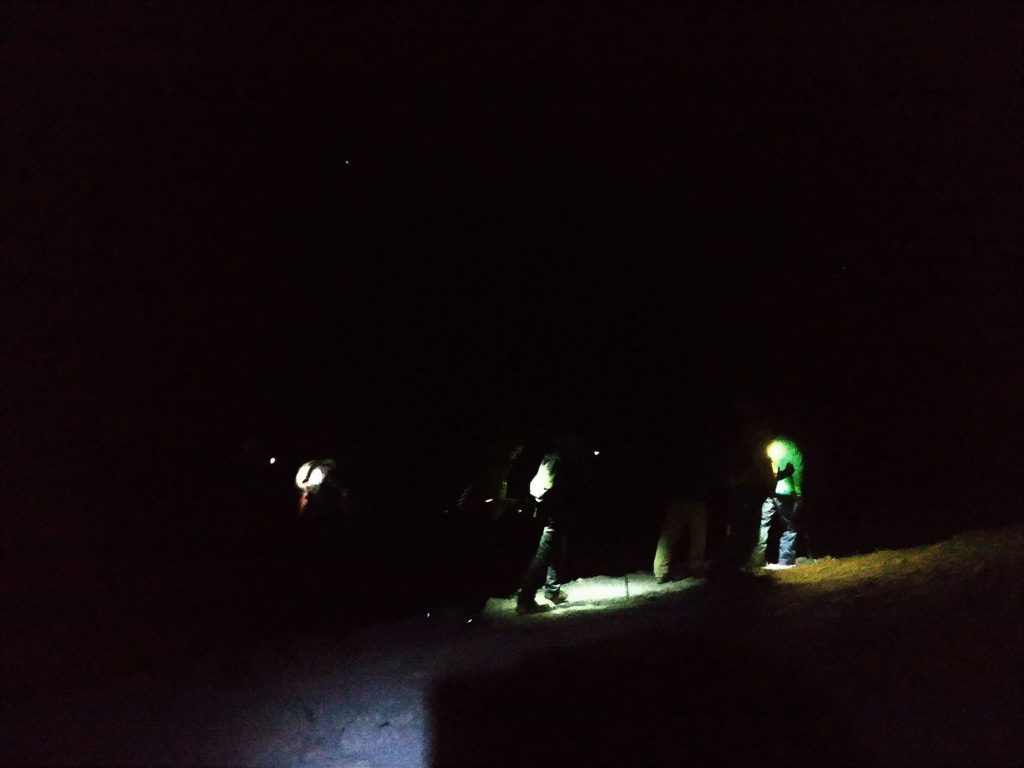
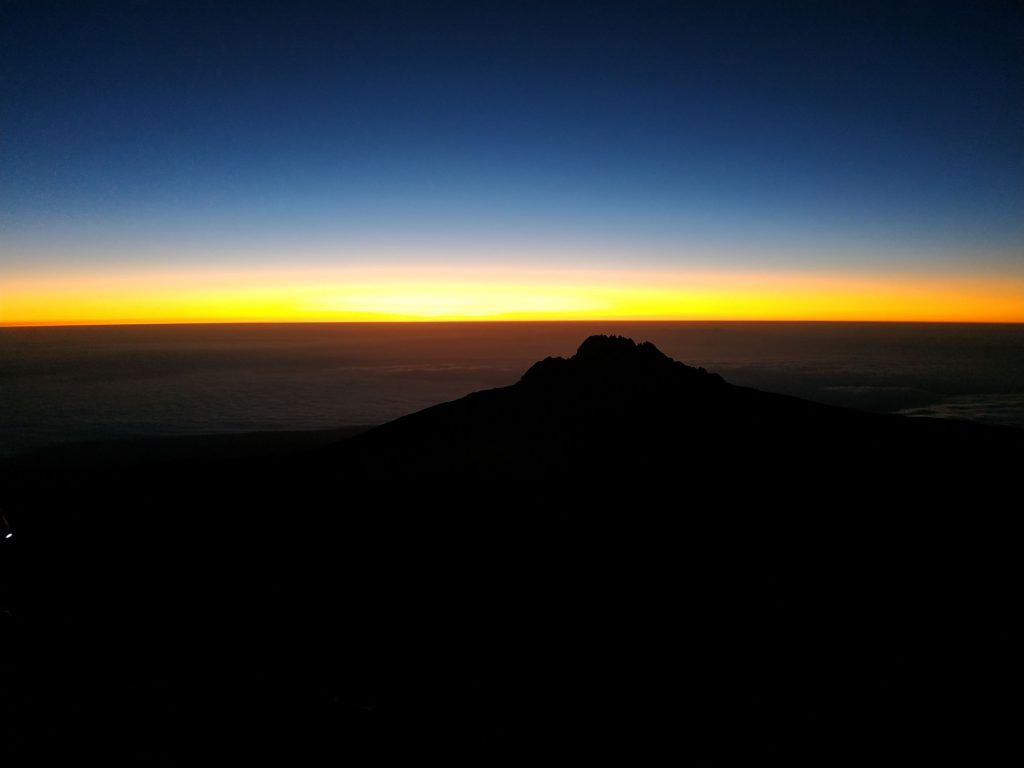
Starting at 1:00 a.m. after a short night and temperatures well below -5 °C we start the final climb. The day ahead will be very long and we will be on our feet for the next 16 hours. But for now we walk in total darkness following the shine of head lights. Five hours later into the climb the sun starts to pass the horizon and provides us with the following three things: light, heat and hope. The sunlight reveals the distance we have traveled and the altitude we are at becomes clear. There is not a single tree, not a single animal or sign of settlement to be seen. A sight that is not easy to find in this modern age. Close to our goal we see snow, ice and can look into the crater of the dormant volcano. At 8:00 a.m. we made it and reached Africa’s highest point the Uhuru Peak of Mount Kilimanjaro at 5895 meters.
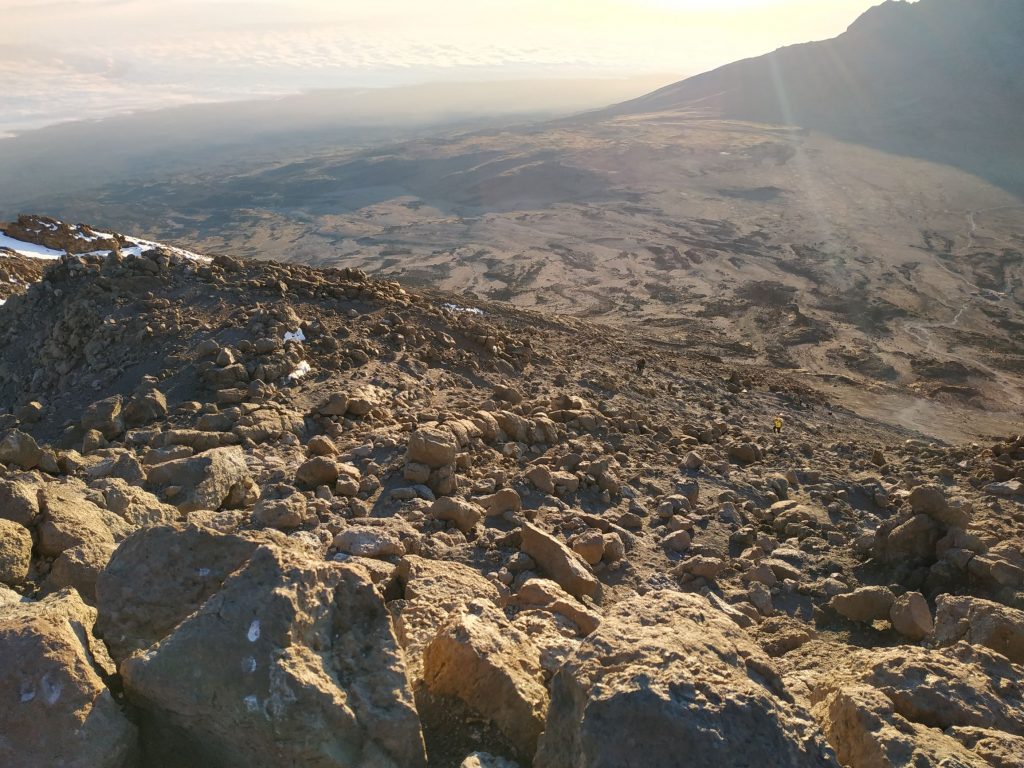
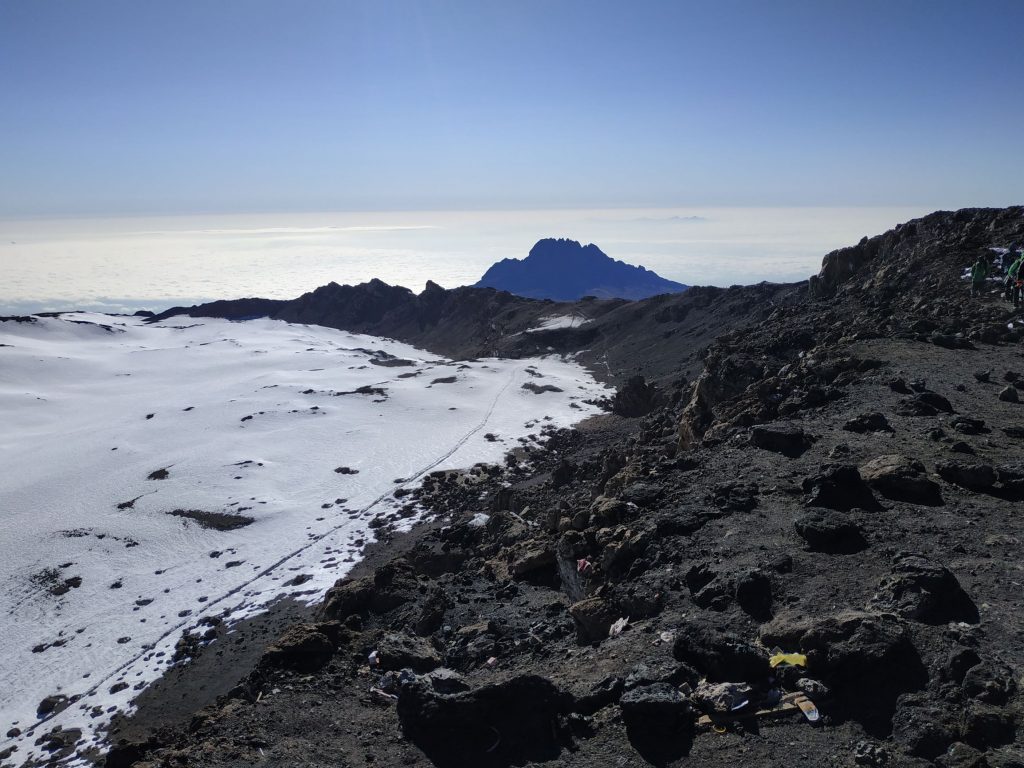
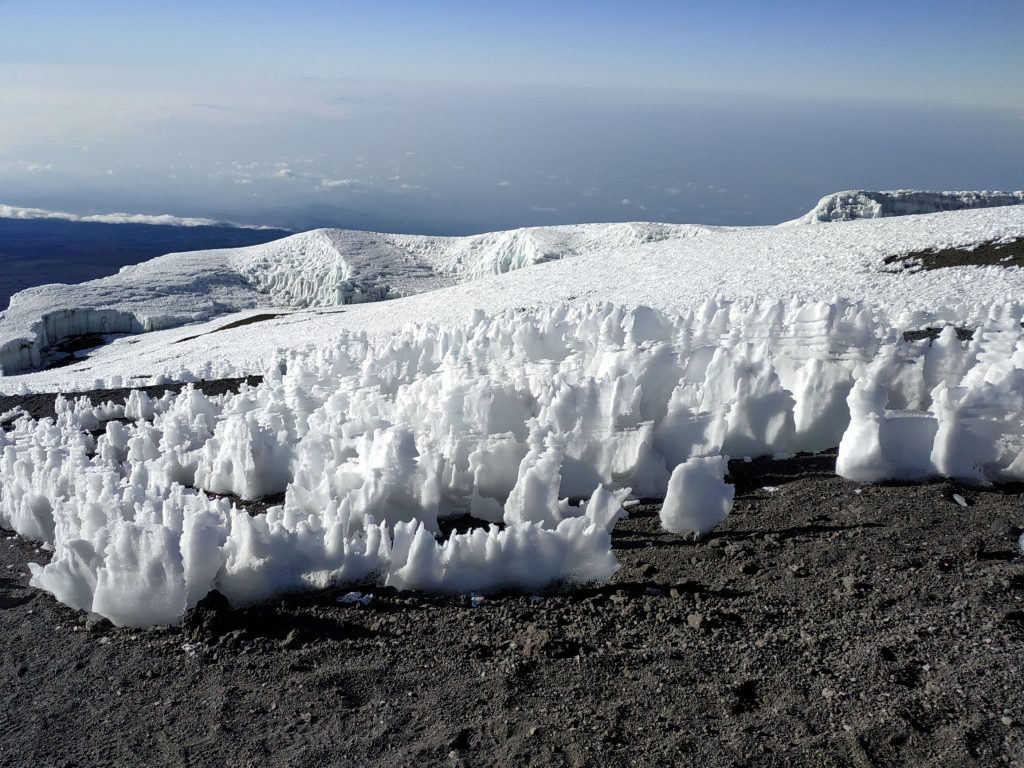
After a short break we prepared ourselves for the descent. This was almost as exhausting as the ascent. With reaching the Kibo Hut at around 12:00 p.m. and the first part of the day was over. We took a short break to rest before the descent to the Horombo Hut. In numbers this means we went 1167 meters up and 2144 meters down by 5:00 p.m. all at high altitude an thin air.
Experience of a Lifetime
At the end, eight of us reached the summit but it was an experience of a lifetime to us. For so little we gave to the people of Tanzania we got so much back. I will now leave you and give you this song on your way as we were bid farewell by the people of Mount Kilimanjaro.
Jambo, jambo bwana! Habari gani? Nzuri sana. Wageni, mwakaribishwa! Kilimanjaro, hakuna matata.
Section of one of many Kilimanjaro songs which translates to: Hello, hello sir! How are you? Very well. Visitor, welcome! Kilimanjaro, no problem.

Suggested Packing List
Headgear
- Brimmed sun hat
- Sunglasses
- Warm knit hat
- balaclava (optional)
Handwear
- Gloves or mitt liners (optinal)
- Warm gloves or mitts (preferably water resistant)
- handwarmers (optional)
Foodwear
- hiking boots waterproof with spare laces
- trainers or sndals (optional)
- hicking socks, one warm pair for summit night
- gaiters
Clothe
- T-Shirts
- Long sleeve shirts
- Thermal Top
- Warm long sleeved shirt
- Soft shell of fleece jacket
- Warm jacket
- Water and wind proof jacket or poncho
- Shorts
- Lightweigth trekking pants
- Thermal trousers
- Warm or insulated pants
- Water and wind proof pants
- Undergarments
Hiking and Camp Gear
- Day pack (25 – 40 liter) with rain cover
- Large pack or duffel (60 – 90 liter) for porter to carry your gear
- Wide mouth water bottles (to carry min. 3 liter a day)
- Water bottle insulator or thermos for summit night
- Walking/hiking poles (optional)
- Head lamp with spare batteries and bulb or spare head lamp
- Sleeping bag rated to – 15 °C
- Plastic bag to waterproof all your gear
- Sleeping mat or thermarest
Personal Gear
- Sunscreen
- Mosquito protection
- Chapstick with sunscreen
- Toiletries
- Wetnaps and hand sanitizer
- Toilet paper or tissues
- Brush
- Quickdry or travel towel
- Bug spray
- Sewing kit
- Camera with extra batteries
- Pocket knife
- Personal medications
- Small personal first aid kit
- Journal
Food and Snacks
- Sports drink
- Protein bars
- Water prurification tablets
- Trail mix, dried fruit and nuts


